
How to Clean and Condition a Leather Sofa

Leather is easy to look after if you are gentle and consistent. Dust and wipe it regularly, clean it with a mild pH-neutral leather cleaner rather than household products, and condition it once or twice a year so it stays supple and does not crack. Just as important is what to avoid — harsh chemicals, soaking, direct heat and sunlight all shorten a leather sofa's life.
Routine care
Dust weekly with a soft, dry cloth and use the soft brush of your vacuum to lift grit from seams and crevices before it scratches the surface. Every week or two, wipe the leather with a slightly damp microfibre cloth to remove body oils and everyday grime.
Blot any spill immediately with a dry cloth. Water-based spills usually wipe away; for grease or oil, let it absorb into the leather rather than spreading it, and use a dedicated leather cleaner if a mark remains.
How to clean leather safely
For a proper clean, use a small amount of pH-neutral leather cleaner on a soft cloth, work in gentle circles, then wipe with a clean damp cloth and dry. Do not soak the leather and do not let water pool in the seams.
Always test any product on a hidden area first. Finished leathers are more forgiving than untreated ones, but a quick test still protects you from an uneven patch or colour change.
Condition to prevent cracking
Leather loses natural oils over time and, without them, dries out and cracks. Apply a quality leather conditioner once or twice a year — more often in very dry or air-conditioned rooms — to keep it supple and protected.
Keep the sofa out of direct sunlight and away from heaters and radiators, which dry and fade leather quickly. A spot that is too hot or too dry is the most common reason leather cracks early.
What to avoid
Do not use baby wipes, all-purpose cleaners, ammonia, bleach, alcohol or abrasive cloths — they strip the finish and dry the leather. Avoid "natural" remedies like olive oil or vinegar too, which can stain leather or turn rancid.
If your leather is already peeling or flaking, it is most likely bonded leather (scraps glued to a backing) or leather that has dried out from heat and sun — conditioning helps genuine leather, but bonded leather cannot be restored.
Frequently asked questions
How often should I condition a leather sofa?
Condition it once or twice a year with a quality leather conditioner to replace the natural oils it loses over time. Condition more often — every few months — if the sofa sits in a very dry or air-conditioned room, which dries leather faster.
Can I use baby wipes on a leather sofa?
No. Baby wipes contain chemicals and detergents that strip leather's protective finish and dry it out over time, leading to cracking. Use a slightly damp microfibre cloth for routine cleaning and a pH-neutral leather cleaner for a deeper clean.
Why is my leather sofa cracking or peeling?
Genuine leather cracks when it dries out from missed conditioning, direct sun or nearby heat. Peeling usually means the sofa is bonded leather — scraps glued to a backing — which breaks down within a few years. Conditioning restores genuine leather; bonded leather cannot be saved.
Can I use olive oil or vinegar on leather?
It is best not to. Olive oil can soak in unevenly and turn rancid, and vinegar is acidic and can damage the finish. Use a product made for leather — a pH-neutral cleaner and a dedicated conditioner — instead of kitchen remedies.
How do I remove ink from a leather sofa?
Act quickly and use a cleaner made specifically for ink on leather, following its instructions and testing on a hidden area first. Avoid home fixes like alcohol or hairspray on finished leather, which can lift the colour. For valuable pieces, a professional is the safest option.
Shop the collection
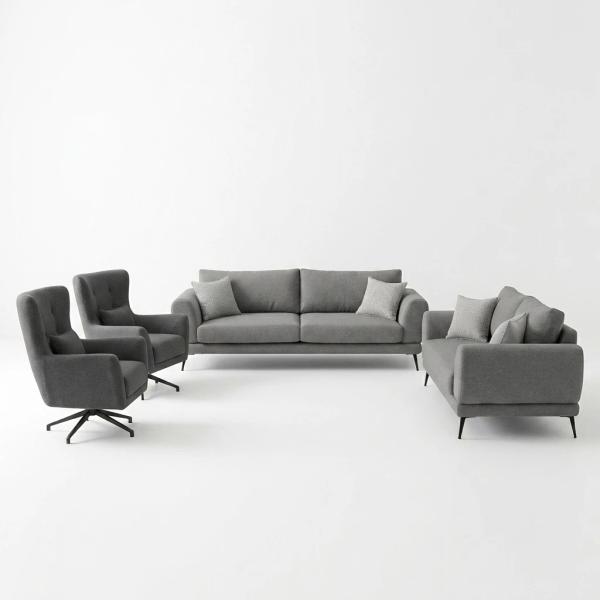
Milano Salon Set
A matched sofa, loveseat, and two swivel armchairs with rolled arms and dark metal legs — one cohesive living room group.
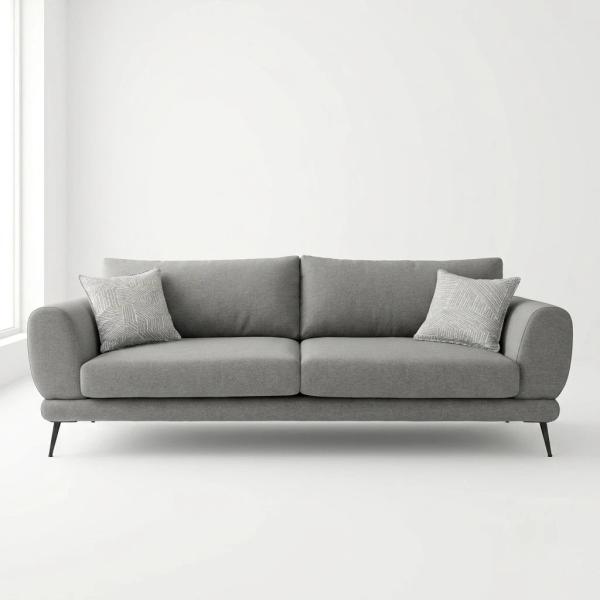
Milano (3seats)
A low, broad sofa with curved arms and slim metal legs — built for a living room that doesn't need to shout.
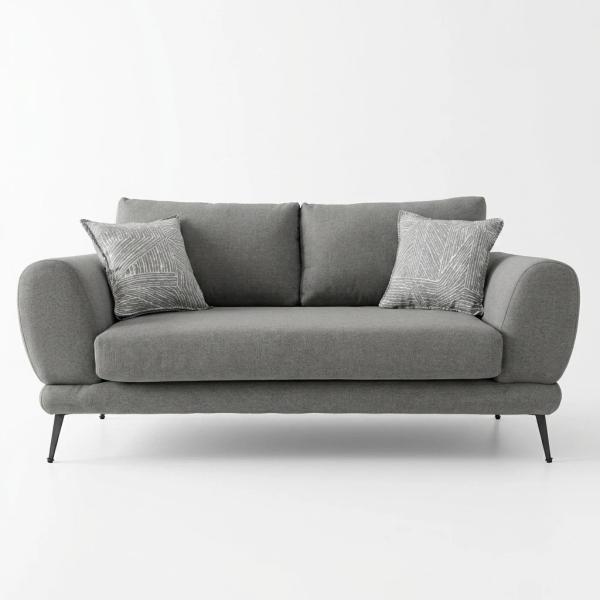
Milano (2seats)
A two-seat sofa with curved arms, a low stance, and angled metal legs that earn their place in any living room.
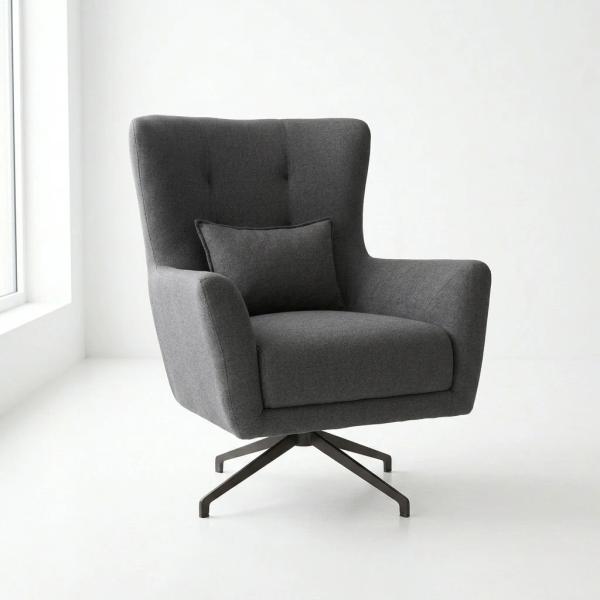
Milano (armchair)
Wingback swivel chair with a tufted back, generous seat, and a four-point metal base.
More guides

How to Choose a Sofa: A Practical Buying Guide
How to choose the right sofa: size it to your room, judge frame and cushion quality, pick fabric or leather, and make sure it fits through your door.

How to Choose a Dining Table: Size, Shape & Material
How to choose a dining table: how many it seats, the right shape for your room, how much clearance you need, and which material lasts — a practical guide.

Fabric vs Leather Sofa: Which Should You Buy?
Fabric or leather sofa? Compare comfort, durability, cleaning, pets, cost and how each handles a hot, humid climate — so you choose the right one.